

Applying geospatial foundation models to African challenges
FDL Africa operationalises that philosophy through a repeatable, iterative 3 stage lifecycle. By moving systematically from hyper-local proofs of concept in stage 1 to an immersive sprint training stage and finally to a scaling stage, this framework ensures that AI development in Africa is locally led, economically sustainable, and continually advancing toward higher degrees of maturity.
FDL Africa is a structured research sprint applying state-of-the-art geospatial foundation models to three challenges defined by the African research community building on the FDL Africa Big Think staged in March 2026.
Twelve early-career data scientists, working in three teams of four alongside subject-matter experts and faculty leads, will progress through a calibrated three-stage curriculum — from first contact with a foundation model to a validated prototype pipeline — across the period of sprint delivery between January and March 2027.
Projects

AFRICABENCH
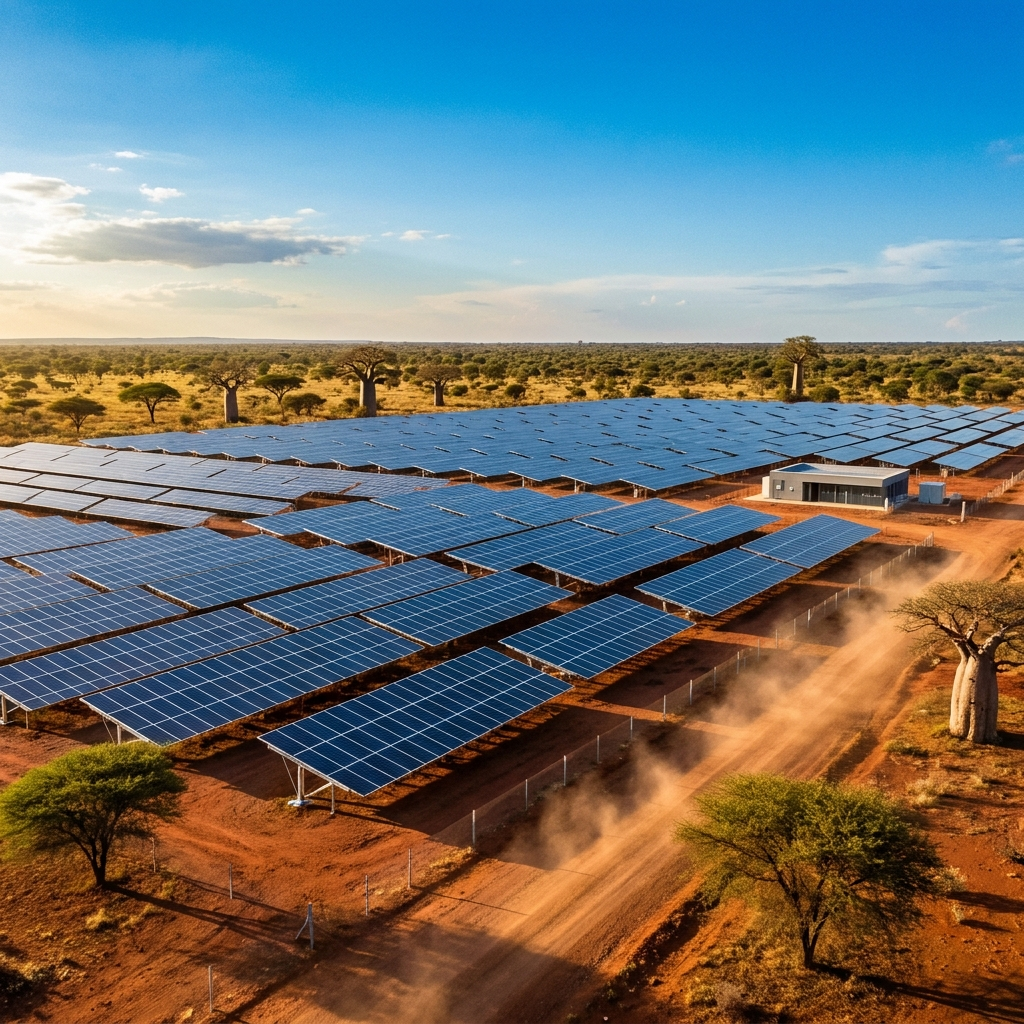
Empowering with of-grid electricity

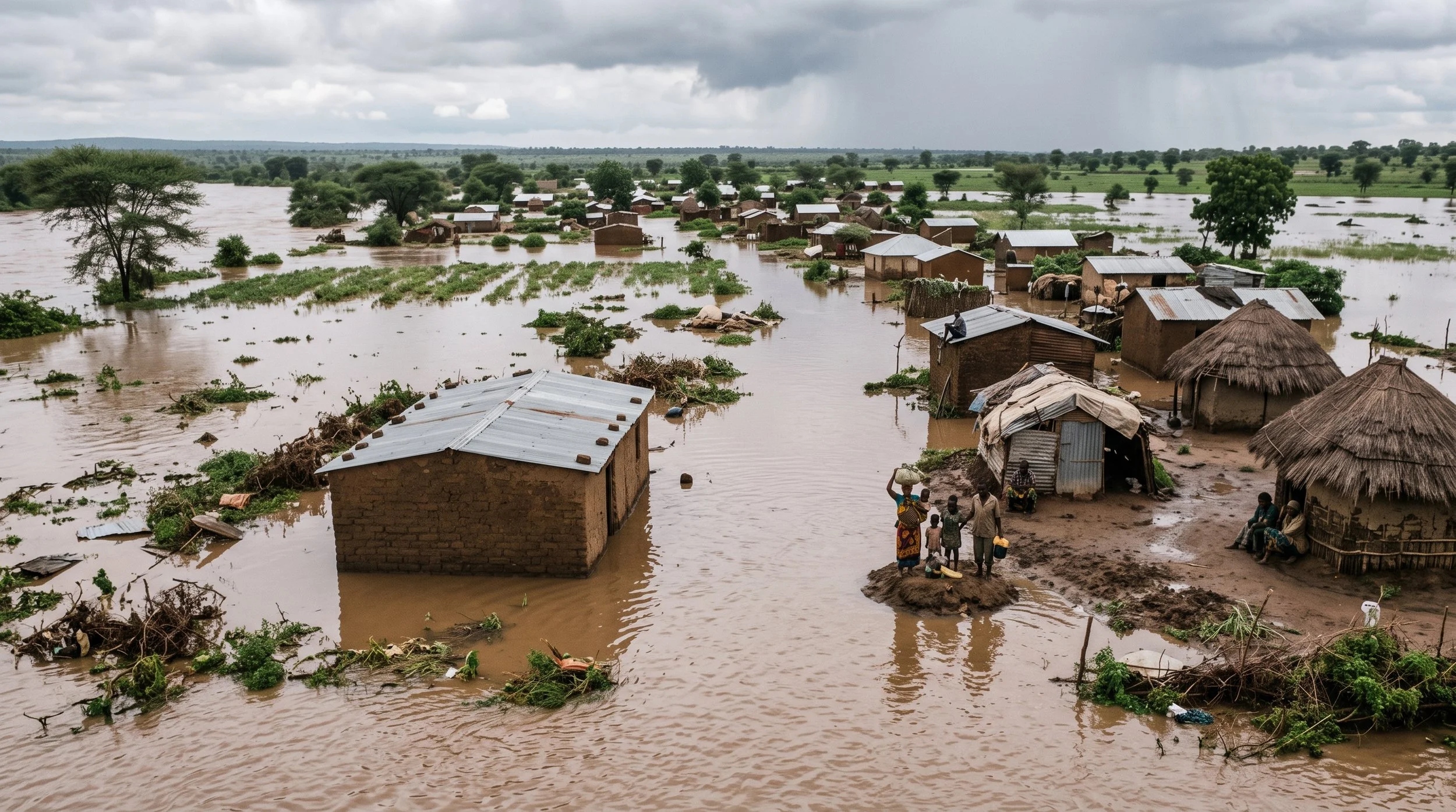
Flood warning for informal settlement
To unlock the transformative potential of Artificial Intelligence in Africa, the continent must transition from being a passive consumer of imported technology to a sovereign creator of localized solutions. True socio-economic impact requires a Dual-Engine Approach: a strategy that simultaneously develops context-aware AI models and the human capacity to build, deploy and govern them.
The programme is delivered by Trillium Technologies Ltd, anchored by the University of Leeds, and supported by the partner network SANSA, SARAO, DARA, NITheCS, the University of Cape Town, Stellenbosch University, ESA Φ-lab, IBM, Intel, Google Cloud and NVIDIA.