looping engineering for Science
scroll down ↓
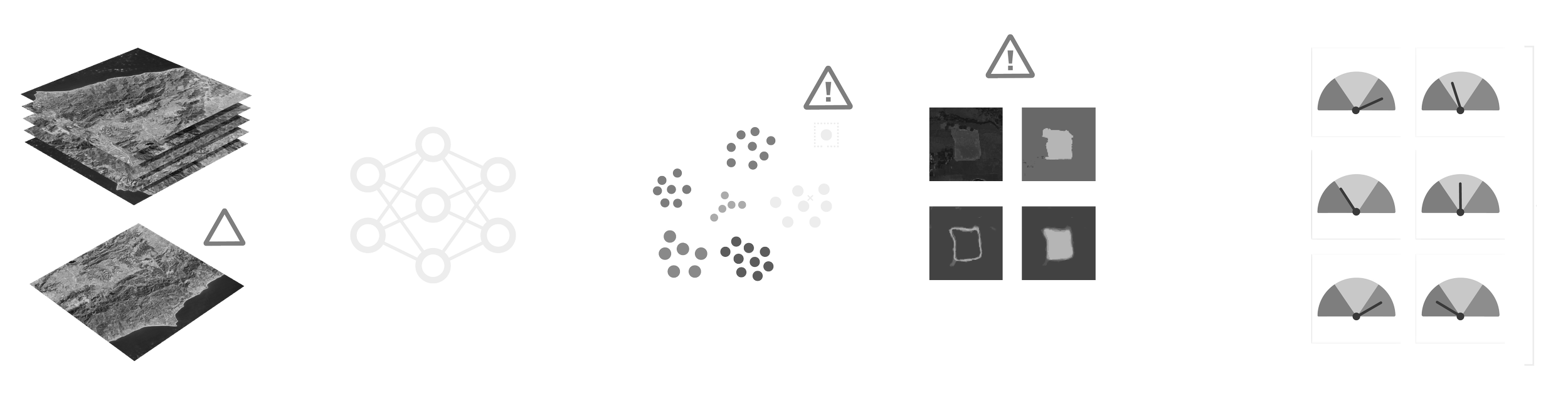
FDL was the first AI lab to demonstrate a complete reasoning loop for science at NeurIPs 2025
We have been working on how to make these methods trusted and reliable for both effective intelligent services and causal understanding of complex phenomena.

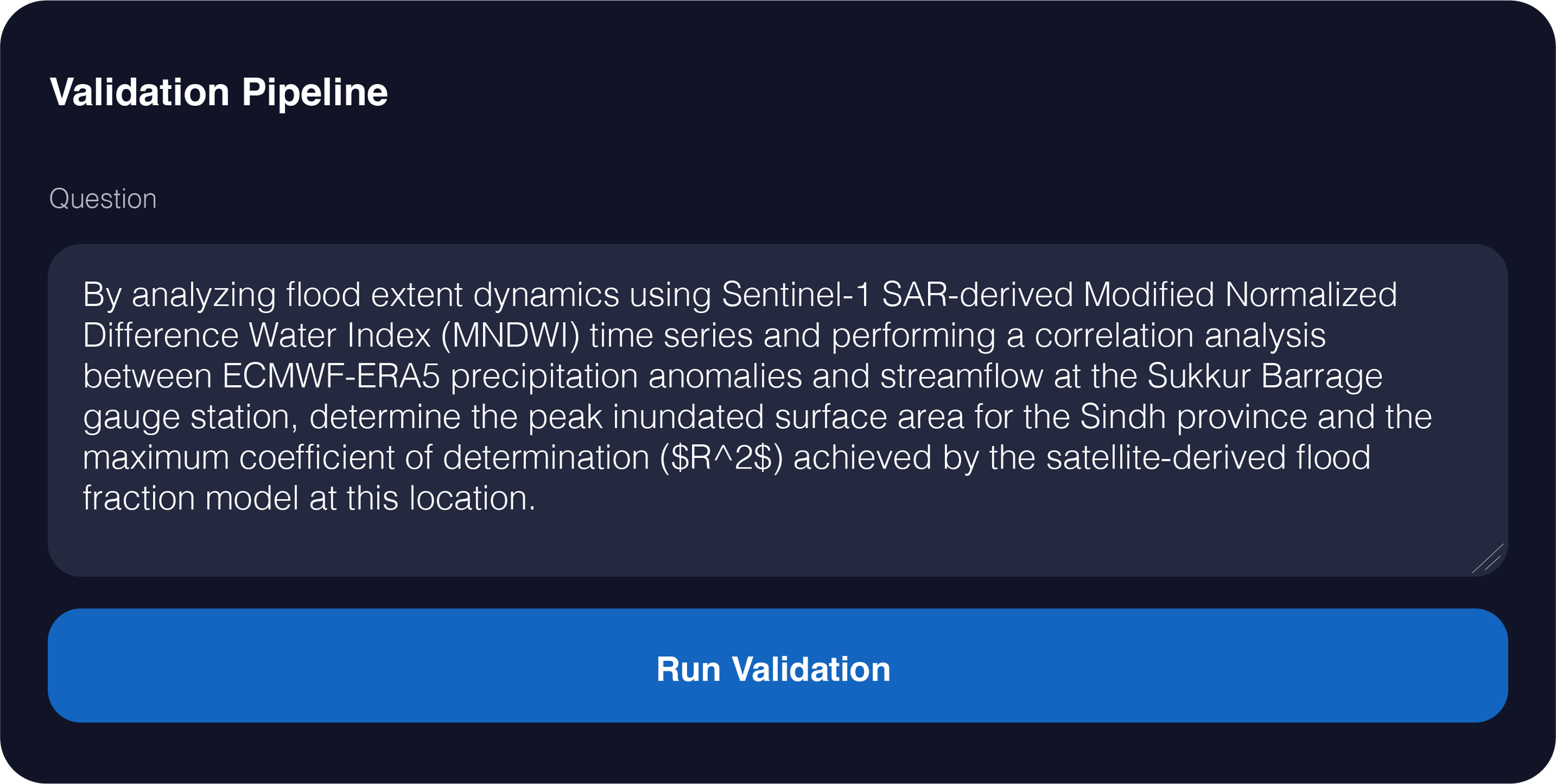
(Scientific Testing of Agentic Reasoning Systems) Established a rigorous schema for PhD-level AI reasoning using real-world data.
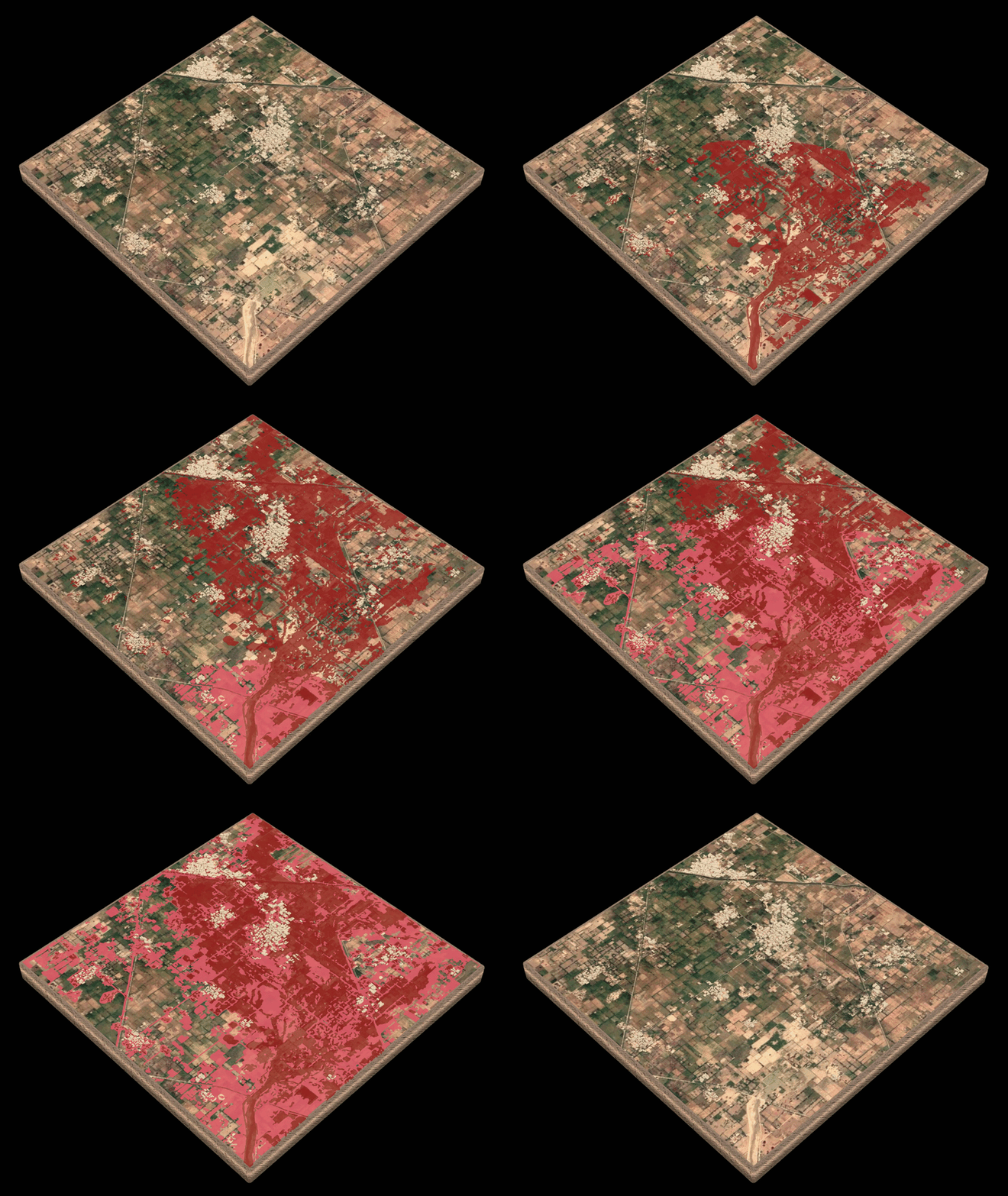

Showed that we can blend foundation model embedding layers to leap-frog the performance of monolithic models.
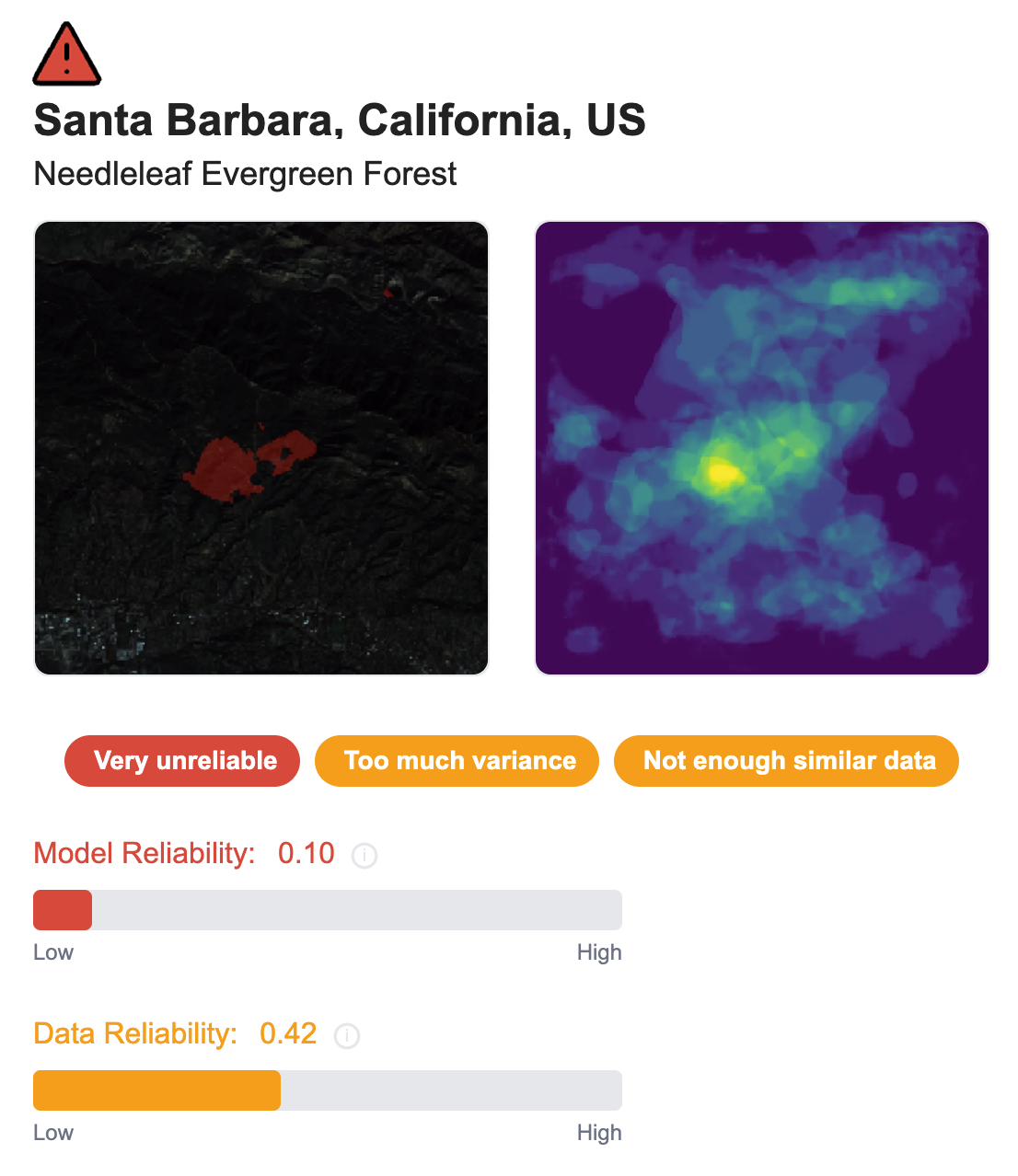
Demonstrated methods for epistemic humility for the first time - teaching models to say when they don’t know enough and triggering causal discovery.


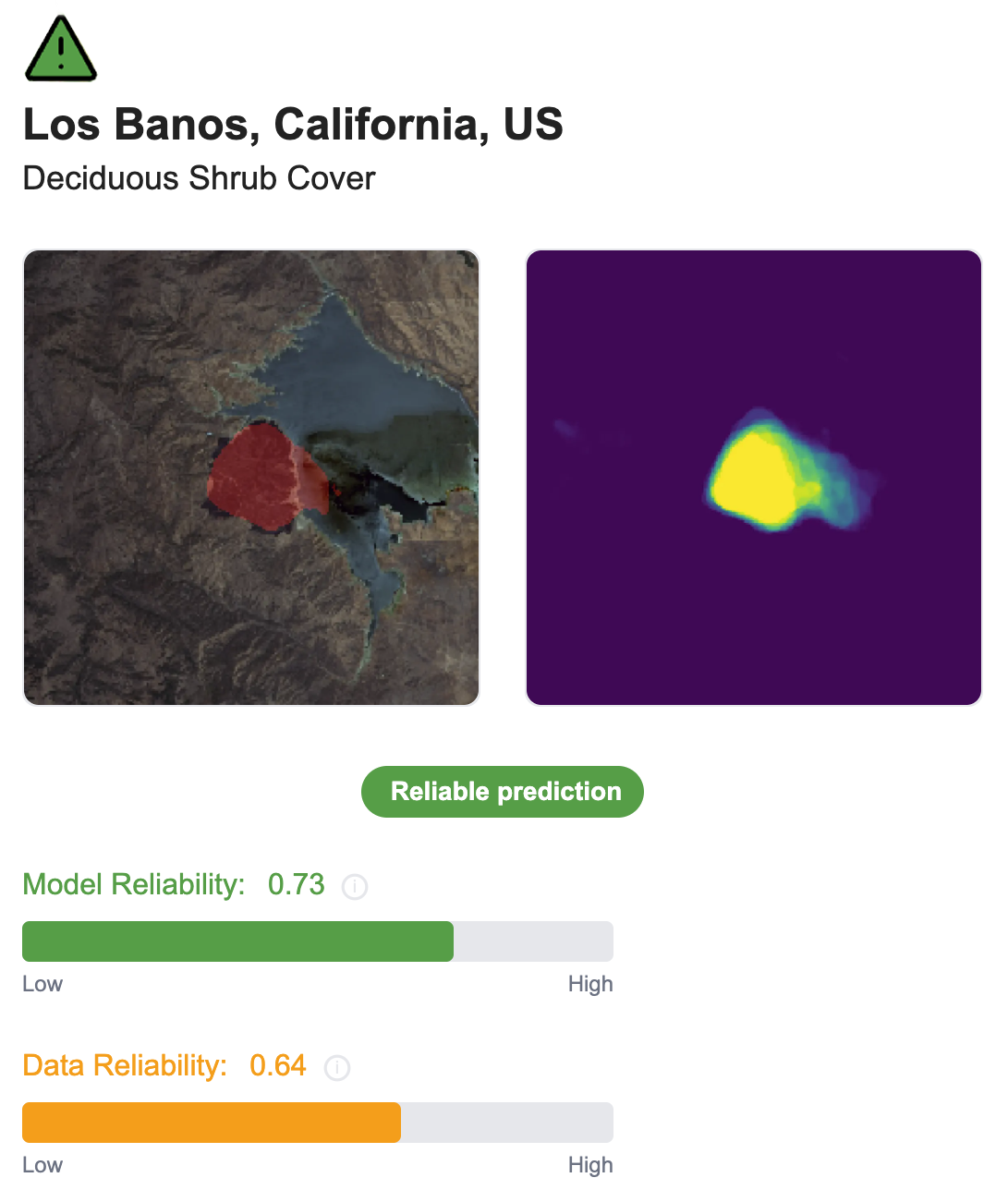


Established an engineering-led formalism that calculates the preconditions for AI confidence thresholds.
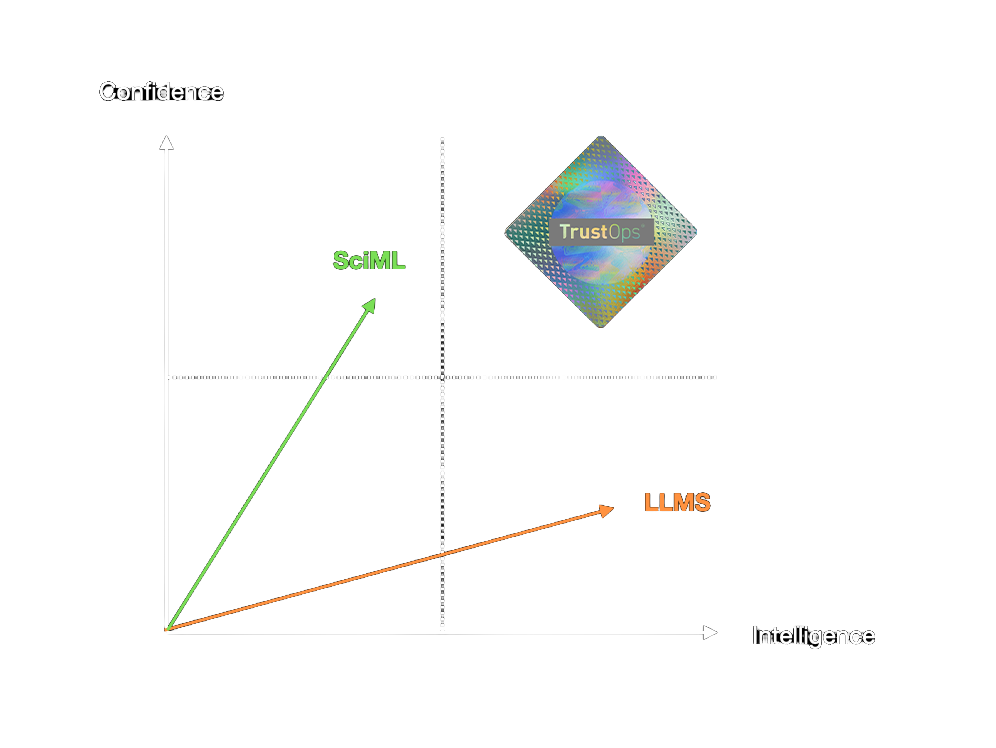

Is an orchestration harness that aggregates scientific machine learning, bringing it all together.
The Frontier Development Lab has been showing leadership in AI for 12 years; from the first use of transformers to generate science data; the first surrogate models, the first orchestration of specialist models and the first AI trained in space.
Loop Engineering for Science is the new frontier.
At NeurIPS 2025, FDL became the first AI lab to demonstrate a complete, systems-engineered reasoning loop for the physical sciences. While standard AI agents loop through code syntax and text generation, FDL’s reasoning loop autonomously formulates physical assumptions, orchestrates active physics simulations, and enforces strict mathematical and dimensional verification before declaring a task complete.
We are working to make these methods trusted and reliable, bridging the gap between effective intelligent services and the causal understanding of complex phenomena. To achieve this, we have built a cohesive architectural stack designed specifically for scientific rigor:
The Frontier Development Lab has been showing leadership in AI for 12 years. Our track record spans pioneering the early use of transformers to generate science data, building the first deep learning surrogate models for physical simulations, leading the orchestration of multi-agent specialist models, and deploying the first AI trained in space.
By grounding our 12-year legacy of standalone AI “firsts” in this new rigorous orchestration framework, we have the foundational engine for a new frontier of situational awareness and discovery.
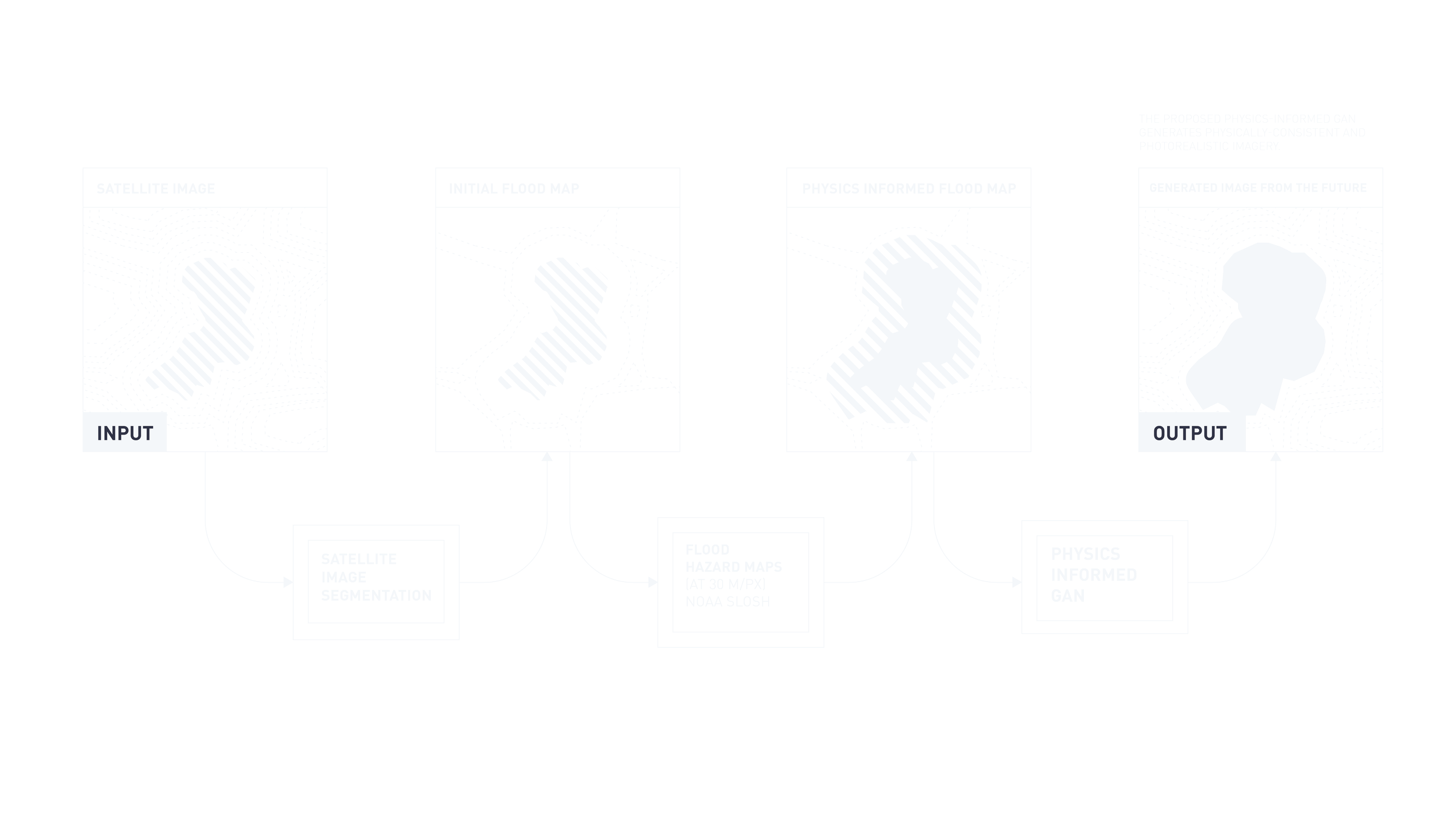
placeholder
placeholder